


0086-18218346058 info@qiruisafe.com
0086-18218346058 info@qiruisafe.com
A biometric swing optical turnstile is an advanced security entrance system that combines physical barrier control with biological identification methods. It's essentially a "smart gate" that uses your unique physical characteristics—like your face or fingerprint—to grant or deny access, rather than just relying on a card or PIN .
Think of it as the next evolution of the classic turnstile. While a regular turnstile might let anyone with a valid card through, a biometric version ensures the person using the card is who they claim to be, offering a much higher level of security .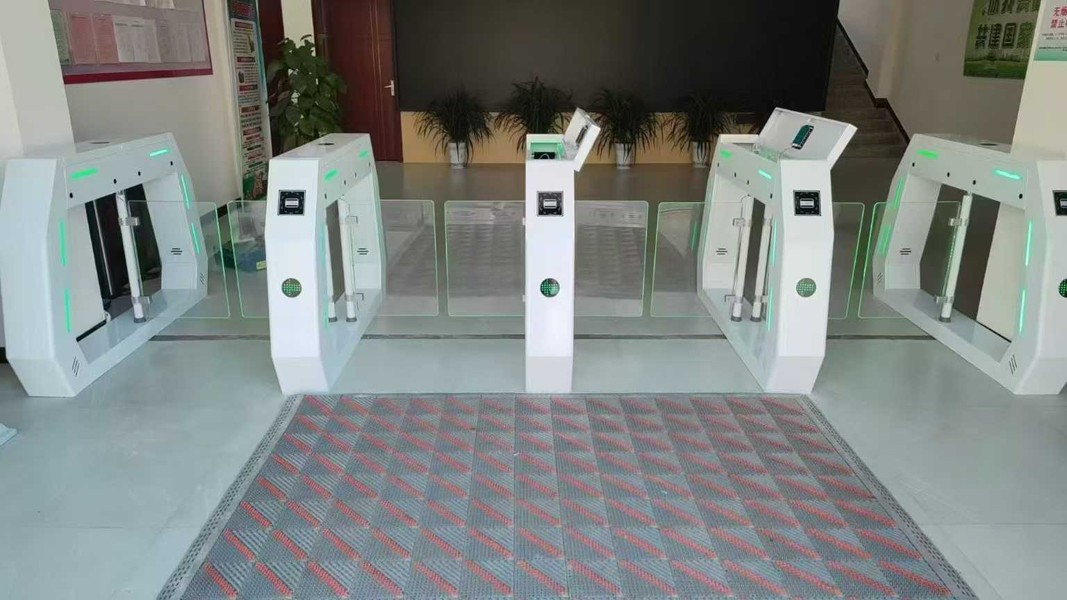
A biometric swing optical turnstile integrates three core technologies into a seamless unit:
Physical Barrier (The "Swing"): This refers to the sleek, glass or stainless steel arms that swing open horizontally to allow passage and close to block it . This mechanism provides a clear physical and visual deterrent against unauthorized entry.
Identification Core (The "Biometric"): This is the system's "brain" for verifying identity. Instead of a card reader, it uses biometric scanners such as :
Facial Recognition Cameras: These capture your face and match it against a database of authorized users, often using AI in milliseconds .
Fingerprint Scanners: Some advanced models even use touchless 3D sensors that can read your fingerprints with a simple wave of your hand .
Detection Grid (The "Optical"): A network of infrared sensors creates invisible beams across the passageway. These sensors do more than just detect if someone is in the way . They are the key to anti-tailgating features, able to distinguish between a single authorized person passing and an unauthorized person trying to slip through closely behind them .
Why are organizations increasingly adopting this technology? The advantages are significant:
Unmatched Security: Biometrics are incredibly difficult to forge, lose, or share. This eliminates risks associated with stolen cards or shared PIN codes, ensuring that only verified individuals gain access .
High-Speed & Efficiency: These systems are built for speed. Facial recognition can verify a person and open the gate in under a second, allowing for a smooth flow of up to 40 people per minute, which is perfect for busy office lobbies, airports, or gyms during peak hours .
Hygienic & Touchless Operation: In a world more conscious of germ transmission, contactless biometrics like facial recognition offer a clear hygiene advantage over fingerprint scanners or card readers that require physical touch .
Seamless Integration: These turnstiles are designed to fit right into your existing infrastructure. They communicate via standard network protocols (like TCP/IP) and can integrate with broader security systems, visitor management platforms, and even HR software for automatic attendance tracking .
Comprehensive Safety Features: Safety is a top priority. The systems include fail-safe modes where barriers open automatically for emergency evacuation, and sensors prevent the doors from closing on people .
You'll commonly see biometric swing optical turnstiles in environments where both security and aesthetics are important, such as:
Corporate Lobbies and Office Buildings
Airports and Transportation Hubs
Gyms and Health Clubs
Government and Data Center Facilities
Residential Communities