0086-18218346058 info@qiruisafe.com
0086-18218346058 info@qiruisafe.com
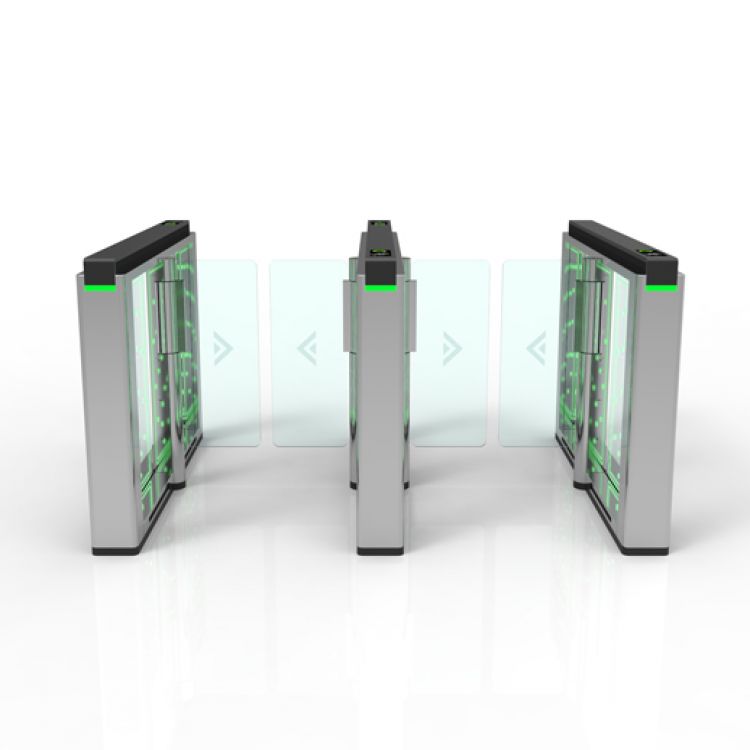
High Security & Anti-Tailgating: This is their primary function. Advanced models use a combination of infrared sensors, 3D cameras, or LiDAR to create a "detection zone." They can distinguish between one person and two people trying to pass on a single credential, and will lock or trigger an alarm.
High Traffic Flow: Designed for places with large numbers of people needing quick entry/exit—office buildings, corporate HQs, public transport hubs, universities, and data centers.
Aesthetic & Design-Conscious: Manufacturers often focus on minimalist, architectural designs that integrate into modern buildings. Stainless steel, clean lines, and frameless glass are common.
Integration with Public Transport: Heavily used in metro, train, and tram stations (e.g., London Underground, Paris RATP, Berlin BVG). Here, they integrate with contactless bank cards, mobile NFC, and national travel cards (Oyster, Navigo, etc.).
Compliance with Regulations: They are built to comply with strict European safety standards (like the Machinery Directive) to ensure they don't cause injury, including safe breaking mechanisms and emergency unlock functions.
Efficiency: Enables smooth, high-volume pedestrian flow.
Security: Effective anti-passback and anti-tailgating.
Durability: Built for millions of cycles in high-traffic environments.
Accessibility: Most models include wider lanes or integrated systems for wheelchair users, often compliant with local accessibility laws.
Hygiene: Touchless options reduce contact points.